


Menstrual hygiene management or menstrual health and hygiene refers to access to menstrual hygiene products to absorb or collect the flow of blood during menstruation, privacy to change the materials, and access to facilities to dispose of used menstrual management materials.Menstrual hygiene management (MHM) is an essential aspect of hygiene for women and adolescent girls between menarche and menopause. Menstruation necessitates the availability of material resources to absorb or collect menstrual blood, facilitate personal hygiene and dispose of waste, ideally with adequate privacy. Women and girls in low income settings have low awareness on hygienic practices and lack culturally appropriate materials for menstrual hygiene management (MHM) practices.
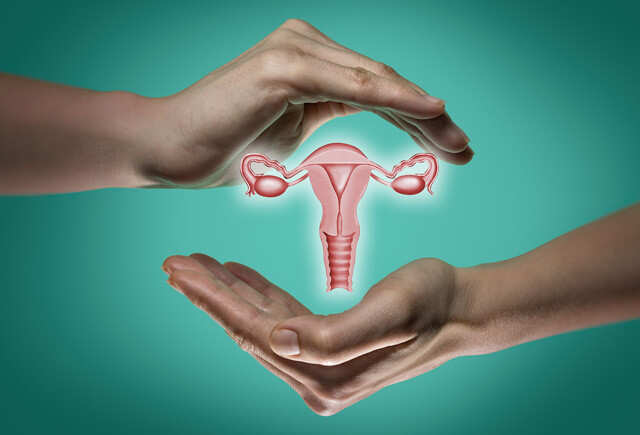
Within the framework of the World Health Organization's (WHO) definition of health as "a state of complete physical, mental and social well-being, and not merely the absence of disease or infirmity," reproductive health, or sexual health/hygiene, addresses the reproductive processes, functions and system at all stages of life. Reproductive health implies that people are able to have a responsible, satisfying, healthy reproductive system and safer sex life and that they have the capability to reproduce and the freedom to decide if, when and how often to do so. One interpretation of this implies that men and women should be informed of and have access to safe, effective, affordable and acceptable methods of birth control; also access to appropriate health care services of sexual, reproductive medicine and implementation of health education programs to stress the importance of women to go safely through pregnancy and childbirth could provide couples with the best chance of having a healthy infant. According to the American College of Obstetricians and Gynecologists, fertility starts to drop considerably around the age of 32, and around 37, it has a particularly deep nose dive.By age 44, chances of spontaneous pregnancy approach zero. As such, women are often told to have children before the age of 35, and pregnancy after 40 is considered a high risk.

Breast and cervical cancers are among the most frequent and most fatal cancers in women. Life span of patients may be increased and quality of life improved through early diagnosis and treatment. This investigation was performed in order to determine knowledge and practices of female health personnel working at a university hospital regarding breast and cervical cancers. Cervical cancer is a cancer arising from the cervix.It is due to the abnormal growth of cells that have the ability to invade or spread to other parts of the body.Early on, typically no symptoms are seen. Later symptoms may include abnormal vaginal bleeding, pelvic pain or pain during sexual intercourse. While bleeding after sex may not be serious, it may also indicate the presence of cervical cancer. Breast cancer is cancer that develops from breast tissue.Signs of breast cancer may include a lump in the breast, a change in breast shape, dimpling of the skin, fluid coming from the nipple, a newly inverted nipple, or a red or scaly patch of skin.In those with distant spread of the disease, there may be bone pain, swollen lymph nodes, shortness of breath, or yellow skin.

One of the greatest challenges facing the health care industry is the fight against
mental illness.
To begin with, serious conditions such as schizophrenia, bipolar disorder, depression, and anxiety are often
difficult to diagnose.
But perhaps the most daunting obstacle to treatment of mental health disorders is the societal stigma
attached to the diseases.
The reluctance of patients to seek treatment for mental health disorders disproportionately affects women,
in large part because
women are more susceptible than men to many common mental health conditions.The potential impact of the
COVID-19 pandemic on mental
health should not be neglected, especially in vulnerable populations. Pregnant and breastfeeding women are
facing numerous life
changes that make them particularly vulnerable to mental health disorders. According to the World Health
Organization,
about 10% of
pregnant women and 13% of (recent) mothers experience a mental disorder, primarily depression.
This department specializes in the diagnosis, management and treatment of cancer.It offers a variety of drugs, biological targeted therapies, chemotherapy and immunotherapy.
Know MoreThis department cares for people suffering from mental illness and emotional problems, including anxiety disorders, depresssion, sleep disorders.
Know MoreTreatment of conditions and diseases of the female reproductive organs, including breasts, vagina, uterus cervix, and fallopian tubes takes place in this department.
Know MoreThis deparment counsel and advices women on various issues, including physical and mental health issues and family and marriage problems.
Know MoreIf you are not feeling well, suffering from depression or any kind of health issues.
Talk to us and share
your problems. We are here to solve your problems.